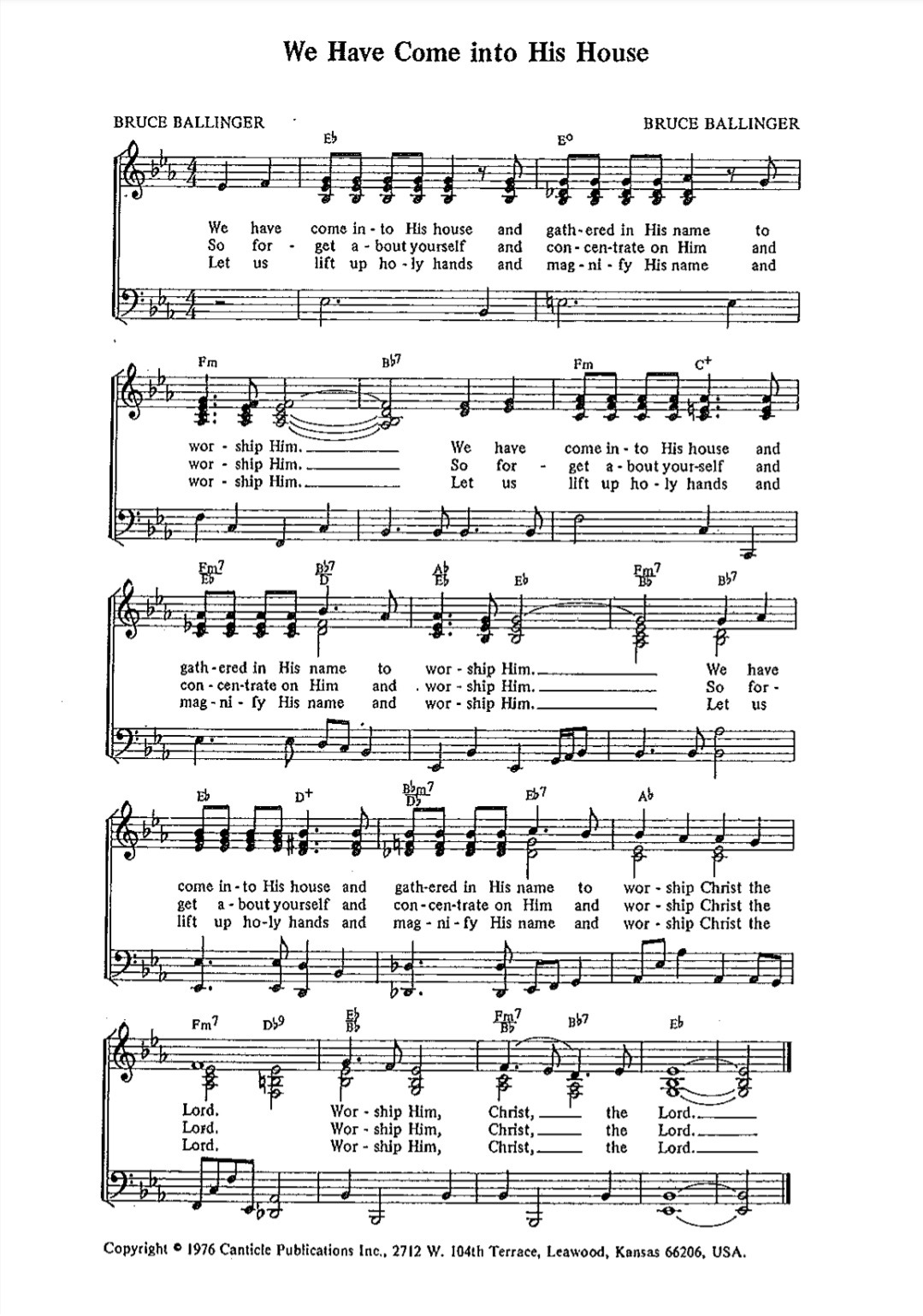

“We Have Come Into This House” is a powerful and enduring worship song that has touched the hearts of believers across generations. Known for its simple structure and deeply spiritual message, the song invites worshippers to set aside distractions and center their thoughts on Jesus. In this blog, we’ll explore the background, meaning, usage, and impact of this beloved hymn, while providing helpful information for those looking to better understand or perform it.
If you’ve been looking for an informative and accessible guide to the bold and beautiful message behind “We Have Come Into This House Lyrics,” you’re in the right place.
1. Where Did “We Have Come Into This House” Come From?
The song was written by Bruce Ballinger, a well-known figure in gospel music during the 1970s. At a time when contemporary worship music was beginning to take shape, Ballinger created a song that blended the heartfelt emotion of gospel with the clarity of traditional hymns.
“We Have Come Into This House” quickly became a favorite in churches—especially in African-American congregations—because of its gentle melody and welcoming message. The song still resonates today, decades later, because of its universal invitation to worship.
2. A Closer Look at the Lyrics
Below are the most commonly sung lines of the song:
We have come into this house and gathered in His name to worship Him
We have come into this house and gathered in His name to worship Him
We have come into this house and gathered in His name to worship Christ our Lord
Worship Him, Christ the Lord
So forget about yourself and concentrate on Him and worship Him
So forget about yourself and concentrate on Him and worship Him
So forget about yourself and concentrate on Him and worship Christ our Lord
Worship Him, Christ the Lord
This repetition is intentional—it’s meditative and designed to draw the congregation into a deeper place of focus and spiritual reflection.
3. Meaning Behind the Message
At first glance, the lyrics might seem simple, but they carry a powerful message: come as you are, but don’t stay the same. The act of gathering in the house of God, in His name, signifies a shared purpose. And that purpose is worship.
Here are the key themes reflected in the bold truth of “We Have Come Into This House Lyrics”:
-
Intentional Gathering: Worship is not random—it’s a conscious decision to meet and honor God.
-
Selflessness in Worship: By encouraging us to “forget about yourself,” the lyrics push us away from self-centeredness and into a God-centered mindset.
-
Focus on Christ Alone: Worship is about Jesus—not our preferences, not the performance, not even the song itself.
4. How the Song Is Used in Modern Worship
Today, churches around the world still use “We Have Come Into This House” in a variety of ways. Some use it as a call to worship—a gentle yet firm reminder that it’s time to leave the world behind and enter into the presence of God. Others use it during altar calls, prayer services, or as a transitional song during worship.
The versatility of “We Have Come Into This House Lyrics” lies in its simplicity. Because the melody is easy to follow and the words are repetitive, it invites full participation—even from those unfamiliar with it.
5. Musical Style and Performance Tips
The song is usually performed in a slow, reverent tempo, often led by a worship leader or choir. Here are some tips for using the song effectively:
-
Start softly, building volume gradually for emotional and spiritual effect.
-
Encourage reflection by minimizing musical complexity.
-
Use it to transition from praise to worship, especially when shifting the tone of a service.
Whether it’s accompanied by a piano, organ, or acoustic guitar, the message stays powerful and clear.
6. Finding the Song and Resources
If you want to use this song in your church or personal worship, you can find it in many hymnals and online platforms. The full lyrics and chord charts are widely available on:
-
WorshipTogether.com
-
PraiseCharts
-
SongSelect by CCLI
-
YouTube for video performances
Search specifically for “Bruce Ballinger – We Have Come Into This House” for original versions and arrangements.
7. Why These Lyrics Still Matter
The heart of “We Have Come Into This House Lyrics” is timeless. In an age of distraction, consumer-driven worship, and performance-based church culture, this song reminds us why we gather: to worship Christ and only Christ.
Its call is not to entertainment or emotional manipulation, but to authentic, humble, and focused worship. That’s why, even today, churches that seek a deeper connection with God keep this song in regular rotation.
8. How to Teach This Song to a Congregation
If you’re a worship leader, here are a few ways to help your church engage with this song:
-
Introduce it during small group or midweek worship before Sunday use.
-
Use slides with minimal distractions to keep attention on the lyrics.
-
Encourage the church to sing with their eyes closed, focusing inward on God rather than outward on performance.
Let the song lead naturally into prayer or Scripture reading, especially passages like Psalm 100 or John 4:24.
Final Thoughts
In every sense, “We Have Come Into This House Lyrics” remind us of the heart of worship: it’s not about us—it’s about Him. Whether you’re new to the song or have sung it for years, its message is both accessible and deeply transformative.
It calls us to let go, tune in, and lift up the name of Jesus. In a world full of noise, this song creates sacred space—where all that matters is Christ.
Frequently Asked Questions (FAQs)
1. Who wrote “We Have Come Into This House”?
The song was written by gospel artist Bruce Ballinger in the 1970s and has since become a staple in Christian worship services.
2. What is the main message of the song?
The main message is to encourage worshippers to put aside personal distractions and focus entirely on Jesus Christ during worship.
3. Where can I find the lyrics and sheet music?
You can find the full “We Have Come Into This House Lyrics” and chord charts on Christian music websites like PraiseCharts, CCLI SongSelect, and various YouTube channels.
Read More :-