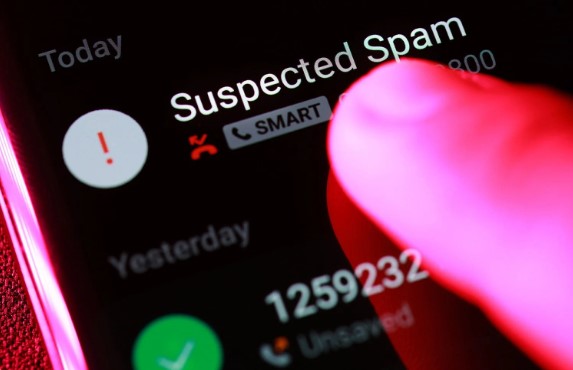

In today’s fast-paced digital landscape, numbers are more than just figures—they are identifiers, data points, and gateways to information. The number 4082563305 may appear random at first glance, but in reality, such sequences often carry meaning depending on context. Whether used as a phone number, tracking ID, or database reference, numbers like this play a crucial role in organizing and simplifying modern systems.
The Role of Numerical Identifiers
Numbers like 4082563305 are commonly used as unique identifiers. In telecommunications, it could represent a phone number that connects individuals across distances. In business systems, similar numeric sequences are used for order tracking, customer IDs, or transaction references. These identifiers ensure accuracy, prevent duplication, and make it easier to retrieve specific information from vast datasets.
Numbers in Digital Transformation
As industries increasingly rely on digital platforms, structured numbers have become essential. Every online purchase, shipment, or service request is linked to a unique number. This allows companies to track progress, manage logistics, and enhance customer experience. A number such as 4082563305 could easily be a tracking code that helps monitor a package’s journey from warehouse to doorstep.
Security and Privacy Considerations
While numbers are incredibly useful, they also raise important questions about security and privacy. Personal data, including phone numbers and identification numbers, must be protected from misuse. Businesses implement encryption, authentication, and verification systems to ensure that such numeric data remains secure. Users should also be cautious when sharing or storing sensitive numbers online.
The Human Connection Behind Numbers
Despite their technical nature, numbers often connect directly to people. A simple number could represent a customer’s identity, a support request, or even a personal contact. This highlights the importance of accuracy—one incorrect digit can lead to miscommunication or lost information. In this way, numbers serve as bridges between systems and human interactions.
Practical Applications in Everyday Life
From banking to healthcare, numbers are everywhere. Account numbers help manage finances, patient IDs streamline medical records, and tracking numbers simplify deliveries. Even social media platforms use numeric identifiers behind the scenes to organize profiles and data efficiently. A number like 4082563305 fits seamlessly into this ecosystem, demonstrating how vital structured data is in everyday operations.
Conclusion
Although 4082563305 may seem like a random string of digits, it reflects a broader reality: numbers are foundational to modern life. They enable communication, enhance organization, and support the systems we rely on daily. Understanding their importance helps us appreciate the invisible infrastructure that keeps our world running smoothly.
For More Info: