


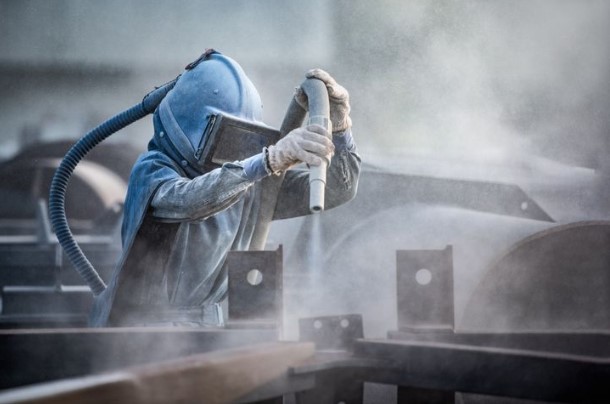
Sandblasting is a powerful method used to clean, shape, or smooth surfaces. It involves the forceful projection of abrasive material under high pressure. Because of the intensity and speed involved, this process requires strict safety procedures. Neglecting proper safety can lead to serious health issues or physical injuries.
Importance of Protective Gear in Sandblasting
Wearing the right gear is the first step to protecting yourself during sandblasting. Sandblasting involves high-speed abrasives, which can easily cause injuries if they make contact with skin or eyes. Protective equipment acts as a barrier between your body and the harmful elements of the process. Therefore, sandblasting is the process of forcibly propelling abrasive material against a surface to smooth, roughen, or clean it.
Ensuring Proper Ventilation During Sandblasting
Proper air circulation reduces health risks and improves safety. In enclosed spaces, dust and abrasive particles can quickly build up. Without enough ventilation, the area becomes unsafe to work in. Clean air prevents dizziness, fatigue, and serious respiratory issues. Ventilation systems must be active during every part of the operation.
Safe Equipment Handling in Sandblasting Operations
Understanding your tools helps you stay in control and avoid accidents. Before using sandblasting machines, inspect all components. Look for damaged hoses, leaks, or loose fittings. A small issue can quickly turn into a big hazard if ignored. Always follow the manufacturer’s safety instructions for the equipment you’re using.
Surface Preparation Before Starting Sandblasting
Getting the area ready is a key part of maintaining control and safety. Make sure the surface is stable and dry. Loose parts or slippery conditions create risks. Remove any materials that don’t need to be blasted, especially flammable or fragile objects. A clean, clear work area gives you better access and prevents unwanted damage.
Managing Dust and Debris During Sandblasting
Reducing airborne particles protects both health and the environment. During sandblasting, dust can spread fast. If not controlled, it creates visibility problems and health risks. Using dust collection systems is the best way to contain the mess. Wet blasting is another option that cuts down dust by combining water with abrasive material.
Operators should monitor the process continuously. As conditions change, more or less dust may be produced. Adjustments to equipment or environment must be made quickly. Keep tools and workspaces clean to avoid buildup and reduce slip hazards.
Monitoring Work Zones Around Sandblasting Areas
Keeping track of the surrounding area ensures safety for everyone nearby. Work zones should be clearly defined. Only trained and authorized individuals should enter them. Barriers, signs, and cones should mark the boundaries. Regular checks ensure the area stays secure and that safety rules are being followed.
No one should enter the blast zone without full protection. Even brief exposure can be dangerous. Sandblasting generates noise, flying debris, and fine dust—all of which can harm bystanders. Supervision and constant awareness are key to keeping the entire team safe.
Conclusion
Sandblasting is effective but comes with risks that must not be ignored. From protective gear to equipment handling, every step matters. Safety doesn’t just happen—it’s built into every decision and action taken before, during, and after blasting work begins. Following the right safety measures helps create a work environment where people and machines can perform their best without danger.