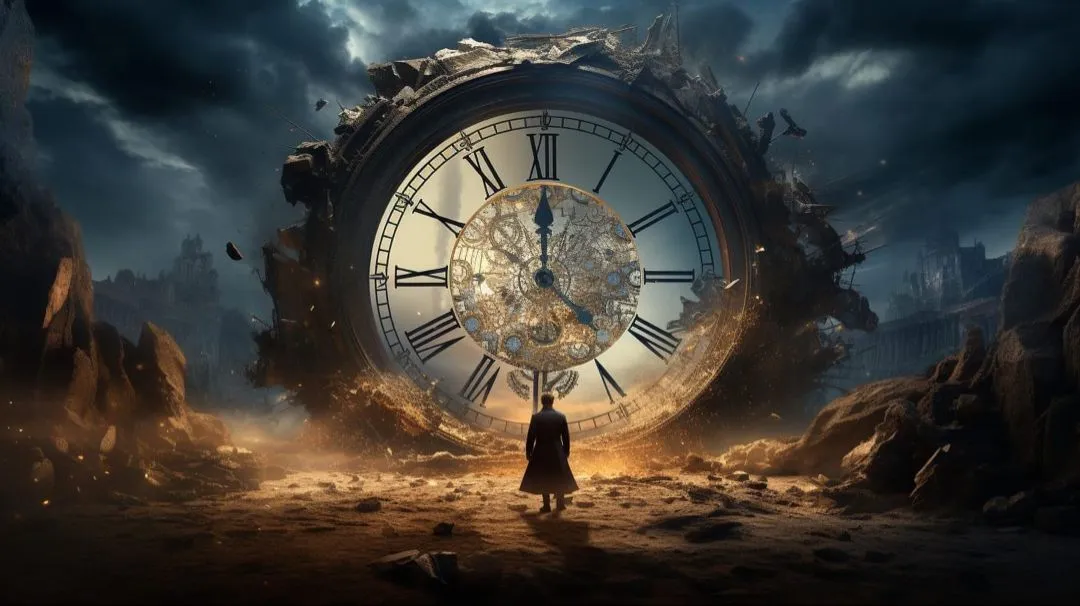

Time-travel historical fiction weaves a captivating blend of imagination and history, transporting readers across centuries to witness pivotal moments through the eyes of characters who straddle eras. This genre merges the thrill of temporal displacement with the rich textures of historical settings, creating narratives that resonate with authenticity and wonder. By anchoring stories in meticulously crafted pasts while introducing the anomaly of time travel, authors create a unique storytelling space where modern perspectives collide with bygone worlds, offering readers a chance to experience history in a dynamic, immersive way.
The Allure of Blending Eras
The magic of time-travel historical fiction lies in its ability to juxtapose the familiar with the foreign. Characters from the present, armed with contemporary knowledge and sensibilities, navigate historical landscapes, from the opulent courts of Renaissance Europe to the gritty streets of Victorian London. This contrast sparks tension and intrigue, as protagonists grapple with societal norms, technological limitations, and cultural divides alien to their own time. The genre thrives on this interplay, allowing writers to craft stories that highlight both the timelessness of human emotions and the distinctiveness of historical epochs, making time-travel historical fiction a compelling lens for examining the human condition.
Crafting Authentic Historical Worlds
A hallmark of time-travel historical fiction is its commitment to vivid, accurate historical detail. Authors immerse themselves in research to recreate the sights, sounds, and textures of their chosen eras, from the clatter of horse-drawn carriages to the intricate etiquette of a royal ball. This dedication ensures that readers feel transported, whether they’re walking the cobbled streets of 18th-century Paris or witnessing the bustling markets of ancient Rome. The historical backdrop isn’t merely a setting but a character in itself, shaping the narrative and challenging time travelers to adapt to its rules. This grounding in reality makes the fantastical element of time travel all the more gripping.
See Also: betterthisworld money
The Mechanics of Time Travel
Time travel in historical fiction serves as both a plot device and a narrative catalyst. Whether through mystical artifacts, scientific experiments, or unexplained phenomena, the method of time travel shapes the story’s tone and stakes. Some narratives employ strict rules, with fixed timelines that resist change, while others embrace malleable histories where a single action can alter the future. These mechanics add layers of complexity, as characters must navigate the consequences of their presence in the past. Time-travel historical fiction often explores themes of fate, free will, and responsibility, asking whether history can—or should—be rewritten.
Memorable Characters Across Time
Characters in time-travel historical fiction are the heart of the genre, bridging past and present with their personal struggles and growth. Protagonists often carry modern values into historical settings, creating friction with the era’s customs—whether it’s a 21st-century woman challenging gender roles in medieval England or a scientist confronting superstition in the Age of Enlightenment. These characters must balance their outsider perspectives with the need to blend in, often leading to moments of humor, heartbreak, or profound self-discovery. Supporting characters, rooted in their historical context, add depth, offering authentic voices that ground the narrative in its time.
Themes That Transcend Eras
At its core, time-travel historical fiction explores universal themes that resonate across centuries. Love, sacrifice, and identity take center stage as characters navigate the complexities of their dual existence. The genre often delves into the moral dilemmas of altering history—should a time traveler prevent a tragedy if it risks unraveling the future? Stories also reflect on the cyclical nature of human triumphs and failures, showing how past events echo in the present. By weaving these timeless questions into richly detailed historical settings, the genre creates narratives that are both thought-provoking and deeply emotional.
Know More: stocks betterthisworld
Challenges of Writing the Genre
Crafting time-travel historical fiction demands a delicate balance. Authors must maintain historical accuracy while introducing speculative elements, ensuring neither overshadows the other. The risk of anachronisms looms large—modern slang or attitudes can jar readers out of the story if not handled carefully. Additionally, the mechanics of time travel must remain consistent to avoid plot holes that undermine the narrative’s credibility. Successful stories in this genre harmonize these elements, creating a seamless blend of fact and fiction that captivates readers and honors the complexities of both history and imagination.
The Enduring Appeal of Time-Travel Historical Fiction
Time-travel historical fiction continues to captivate because it offers a unique way to engage with the past. Readers are drawn to the thrill of experiencing history firsthand, from pivotal battles to quiet moments of daily life, all through the lens of a time traveler’s perspective. The genre’s versatility allows it to span countless eras and styles, from romantic tales in Regency England to gritty adventures in ancient civilizations. Its ability to blend the fantastical with the factual creates stories that are both escapist and enlightening, inviting readers to ponder their own place in the continuum of time. As long as humans are fascinated by history and the possibilities of what might have been, time-travel historical fiction will remain a vibrant and beloved genre.