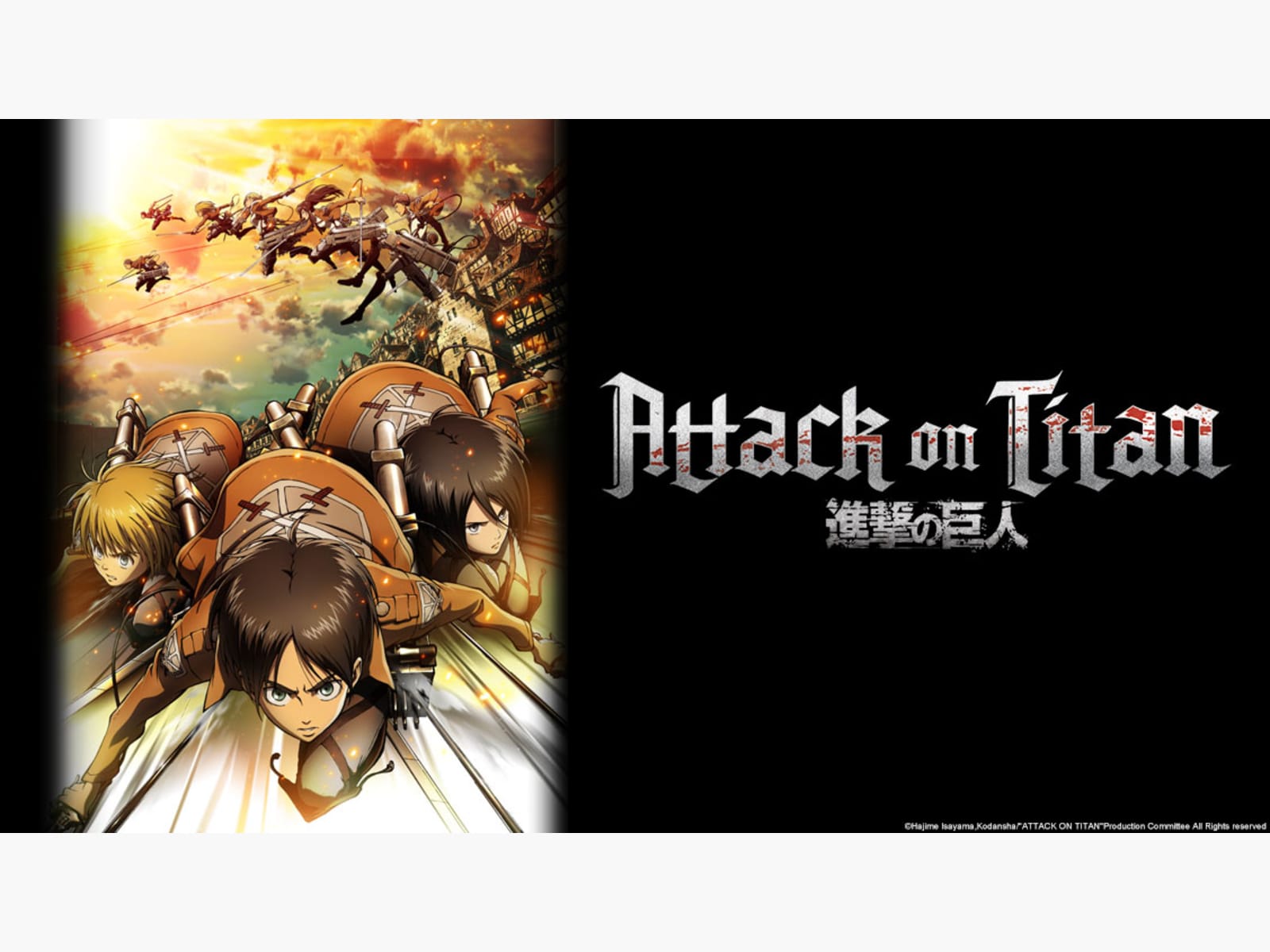

Attack on Titan, a popular anime series based on the manga by Hajime Isayama, has captured the imaginations of millions worldwide with its intense storytelling, complex characters, and thrilling plot. However, the anime’s road to international success has not been without obstacles. One of the most notable controversies surrounding Attack on Titan is its blacklisting in China. For a country known for its strict media regulations and censorship, the banning of Attack on Titan is an intriguing case. This blog post will explore why China blacklisted Attack on Titan, considering both the political and cultural factors that led to this decision.
What is Attack on Titan?
Before diving into the specifics of the controversy, it’s essential to understand what Attack on Titan is all about. Attack on Titan (Shingeki no Kyojin in Japanese) is set in a post-apocalyptic world where humanity is on the brink of extinction, constantly threatened by giant humanoid creatures known as Titans. These Titans devour humans without any apparent reason, leading the survivors to live in walled cities for protection. The series follows the story of Eren Yeager, Mikasa Ackerman, and Armin Arlert, three young friends who join the military to protect their city and uncover the truth behind the Titans’ origins.
The anime, which began airing in 2013, is known for its dark themes, intricate political subplots, and philosophical questions about freedom, power, and sacrifice. These elements, combined with the breathtaking animation and intense action scenes, have made Attack on Titan one of the most successful and influential anime series worldwide.
China’s Strict Censorship Laws
China is known for its tightly controlled media environment. The government monitors and censors content to maintain social stability and prevent the spread of ideas that could challenge the state’s ideology or social order. This extends to all forms of media, including movies, television shows, video games, and even online content.
China’s censorship laws focus on a wide range of issues, including violence, sexual content, political ideologies, and anything deemed offensive to national values. Media that promotes content contrary to China’s policies or undermines its authority is often blacklisted. Therefore, the blacklisting of Attack on Titan was likely a result of several factors that fell under these strict censorship criteria.
The Political Context
One of the key reasons Attack on Titan was banned in China relates to the political themes embedded in the series. The show’s exploration of authoritarian governments, social hierarchy, and resistance movements struck a chord with many fans, but it also raised uncomfortable questions about the structures of power.
Themes of Nationalism and Militarism
Attack on Titan presents a world where the survivors of humanity are organized into a strict hierarchical society, with a strong military presence. The anime explores themes of militarism, loyalty, and the value of sacrifice for the greater good. These themes could be seen as problematic for a Chinese government that promotes its own militaristic and nationalist agenda while trying to maintain control over the country’s population.
Moreover, some of the imagery in Attack on Titan – including the way the Titans are portrayed and the military’s struggle against an oppressive enemy – could be interpreted as reflecting the struggles of China’s own people in dealing with internal and external threats. For a country like China, with its ongoing efforts to suppress any form of dissent or rebellion, the idea of an oppressed populace fighting against powerful forces could be perceived as too sensitive or subversive.
Allegories of Government Control
In the anime, the walled cities where humanity lives represent a form of confinement and control, both literally and metaphorically. The walls are an external representation of the control that the ruling class exerts over the people, keeping them in a state of fear and uncertainty. The government within the series, particularly in the earlier seasons, is portrayed as authoritarian, hiding the truth from the public while maintaining strict control over society. This direct parallel to how authoritarian regimes operate in real life may have caused unease among Chinese officials.
Furthermore, Attack on Titan delves into the concept of military rule and the need for total control over society, echoing real-world situations where governments wield absolute power. In this light, China’s government may have seen the anime as a subtle critique of state power, which goes against their desire to maintain absolute control over what is consumed by the public.
The Cultural Sensitivity Aspect
Cultural differences between Japan and China also contribute to the tensions surrounding Attack on Titan. Certain aspects of the anime, such as its portrayal of violence and its representation of Japanese history, may have raised red flags for Chinese censors.
Violence and Brutality
One of the most significant reasons Attack on Titan was blacklisted in China is its graphic violence. The anime features intense action scenes, with gory depictions of Titans devouring humans and brutal battles between the military and the Titans. While violence is often depicted in various forms of media, China has strict censorship laws regarding violent content. Anything deemed excessively violent or graphic is usually removed or banned altogether.
Given Attack on Titan‘s explicit depictions of violence, particularly the gruesome scenes involving the Titans’ cannibalistic behavior, it is understandable that it would not align with China’s standards for what is appropriate for public consumption. The portrayal of bloodshed and mutilation might be seen as too excessive for a general audience, especially for younger viewers.
Historical and Nationalist Sensitivities
Another layer of complexity lies in the historical and cultural sensitivities of the Chinese government. Attack on Titan touches on themes of war, oppression, and resistance movements, which may remind Chinese authorities of past conflicts and struggles for sovereignty. Specifically, the idea of nations or societies rising up against larger, more powerful entities could strike a nerve, as it may parallel real-world scenarios that the government prefers not to highlight, especially when discussing power dynamics in the context of China’s historical battles for control and independence.
Furthermore, the symbolism of walls and borders in Attack on Titan could be interpreted as a reflection of national boundaries and protectionist policies, which may not align with China’s stance on global integration and openness.
Global Reactions and the Impact of the Ban
While China’s blacklisting of Attack on Titan has sparked significant debate within the anime community, it is important to note that the anime has remained widely available outside of China. The international success of Attack on Titan demonstrates that despite China’s ban, the anime continues to be celebrated globally. Fans in other countries have embraced the series, which continues to be one of the most popular and influential anime franchises of all time.
The ban on Attack on Titan in China also highlights the broader issue of censorship in the entertainment industry. For anime fans and content creators, this blacklisting serves as a reminder of the fine line between artistic freedom and government control. As countries like China enforce more stringent regulations on media, the global market for anime and other forms of entertainment must navigate complex cultural and political landscapes.
Conclusion
The blacklisting of Attack on Titan by China can be attributed to a combination of political, cultural, and censorship factors. The series’ themes of resistance, militarism, and authoritarian rule likely clashed with the Chinese government’s desire to control public opinion and maintain a strict ideological stance. Additionally, the graphic violence and potential historical sensitivities surrounding the series may have contributed to its ban.
Despite this, Attack on Titan has remained a beloved and influential anime worldwide, continuing to captivate audiences with its compelling storylines and philosophical themes. While the controversy over its ban in China may have sparked debate, it also highlights the complexities of censorship in global media and the power of storytelling to resonate across borders.
Ultimately, the popularity of Attack on Titan serves as a testament to the enduring appeal of anime and the universal desire for stories that challenge, inspire, and entertain.
Know More: