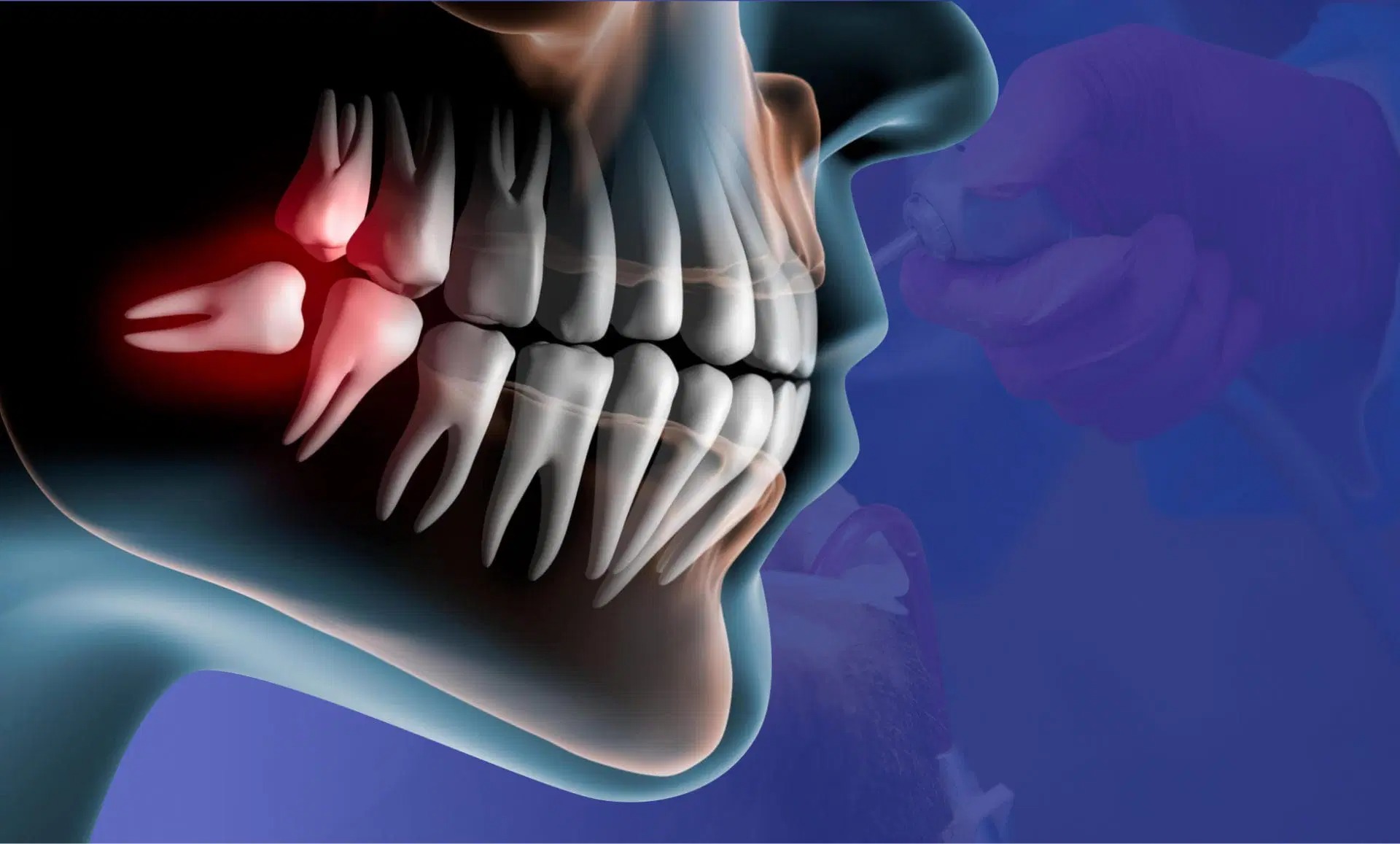

When it comes to wisdom teeth, most people are familiar with the discomfort they can cause, the common surgical extractions, and the relief that often follows their removal. But sometimes, after a person has had their wisdom teeth removed, they may begin to wonder: can wisdom teeth come back? If you’ve had this thought or are feeling pain in the same area after removal, you’re not alone. This article aims to explore this question in-depth, providing a clear, informative, and user-friendly guide to everything you need to know about recurring wisdom teeth and related concerns.
What Are Wisdom Teeth?
Wisdom teeth are the third set of molars that typically emerge between the ages of 17 and 25. They are located at the very back of your mouth — two on the top and two on the bottom. While some people may never develop wisdom teeth, others may have one, two, three, or all four.
Wisdom teeth often cause problems when there’s not enough room in the mouth for them to erupt properly. This can lead to impaction (when the tooth doesn’t fully break through the gum), crowding, pain, or even infections. That’s why many dentists recommend their removal — especially if they pose a future risk.
Can Wisdom Teeth Come Back?
So, can wisdom teeth come back after they’ve been removed? The short answer is: no, not exactly. Once a wisdom tooth has been fully extracted — meaning the entire tooth and root system have been removed — it cannot regenerate or grow back.
However, there are some scenarios that can make it feel like your wisdom teeth are coming back, and it’s important to understand these.
1. Extra or “Supernumerary” Teeth
In rare cases, people may have extra teeth called supernumerary teeth. These can develop in any part of the mouth, including near where the wisdom teeth used to be. Although not common, if someone feels pain or notices new growth in that area, it may be due to these extra teeth — not returning wisdom teeth.
2. Incomplete Extraction
Sometimes, a small part of the wisdom tooth root may be left behind during surgery, especially if the tooth was impacted or broken. If this fragment isn’t removed completely, it can cause discomfort later on, potentially leading the person to believe that the tooth is “growing back.”
3. Eruption of Adjacent Molars
In younger patients, it’s possible that not all molars have fully erupted when the wisdom teeth are extracted. As surrounding teeth continue to develop or shift, this might cause discomfort or pressure in the back of the mouth — often confused with wisdom teeth returning.
4. Infection or Cyst Formation
If you’ve had wisdom teeth removed and experience pain in the same area years later, it could be due to a cyst or infection where the tooth once was. This can mimic the pain of an emerging tooth but is unrelated to actual tooth regrowth.
5. Phantom Tooth Syndrome
Just like a phantom limb, some patients experience “phantom tooth syndrome” — a sensation or mild pain in the area where a tooth used to be. It’s more of a neurological response than an actual dental issue, but it can be misleading.
What To Do If You Feel Pain After Wisdom Tooth Removal
If you’ve already had your wisdom teeth removed and are feeling discomfort in the same area, don’t panic. Here are a few practical steps to take:
-
Schedule a Dental Check-Up: Your dentist can take an X-ray to see if anything is developing in the extraction area.
-
Monitor for Infection Signs: Swelling, pain, or a bad taste in your mouth may indicate infection.
-
Consider Other Dental Causes: Grinding, adjacent molar eruption, or jaw issues could also be the source of discomfort.
Preventing Future Complications
Although can wisdom teeth come back is largely a myth, there are steps you can take to prevent similar issues in the future:
-
Follow Post-Surgery Instructions: Ensuring proper healing after your wisdom teeth are removed helps prevent complications.
-
Regular Dental Visits: Routine X-rays can catch any rare developments like supernumerary teeth early.
-
Good Oral Hygiene: Keeping your mouth clean and healthy reduces the chance of infections or cysts forming in the extraction site.
Wisdom Teeth and Regeneration: Is It Possible?
From a biological standpoint, once a tooth is fully removed, it doesn’t grow back. Human teeth, unlike hair or nails, do not regenerate. Scientists are exploring regenerative medicine and stem cell research to potentially grow teeth in the future, but as of now, it’s not possible for a fully extracted wisdom tooth to return.
So, can wisdom teeth come back? Scientifically speaking, no — but other dental issues can mimic the feeling of wisdom teeth returning.
Common Myths Debunked
Let’s bust a few popular myths surrounding this topic:
-
Myth: “I had my wisdom teeth pulled, but now they’re growing back.”
Fact: It’s likely a leftover root, a new tooth in the same area, or a different dental issue. -
Myth: “My dentist didn’t take out all of my wisdom teeth.”
Fact: It’s rare, but sometimes only one or two are removed, depending on necessity and development stage. -
Myth: “You only need to remove wisdom teeth if they hurt.”
Fact: Dentists often recommend early removal to prevent future complications, even before pain starts.
Conclusion
To wrap it all up, the question “can wisdom teeth come back” is one rooted more in confusion than reality. Once fully removed, wisdom teeth do not grow back. However, sensations or discomfort in the same area can be caused by other dental conditions like extra teeth, infection, nerve response, or incomplete extraction.
The best way to resolve any doubts is to consult your dentist. With an X-ray and a thorough examination, they can determine exactly what’s going on and offer the right treatment if needed.
Whether you’re planning to have your wisdom teeth removed or you’ve had the surgery years ago and are now feeling discomfort, it’s always wise to stay informed and proactive about your dental health.
FAQs
Q1: Can wisdom teeth come back years after removal?
No, once wisdom teeth are completely removed, they cannot grow back. If you experience pain in that area, it may be due to other dental issues like leftover root fragments, cysts, or nerve sensitivity.
Q2: What are supernumerary teeth?
Supernumerary teeth are extra teeth that develop in addition to the normal set. They can occasionally appear near where wisdom teeth once were and may cause confusion.
Q3: How can I know if the pain is from a returning wisdom tooth?
Since true regrowth is not possible, the pain likely stems from another issue. Visit your dentist for an X-ray to find out what’s really going on.
Read More :-