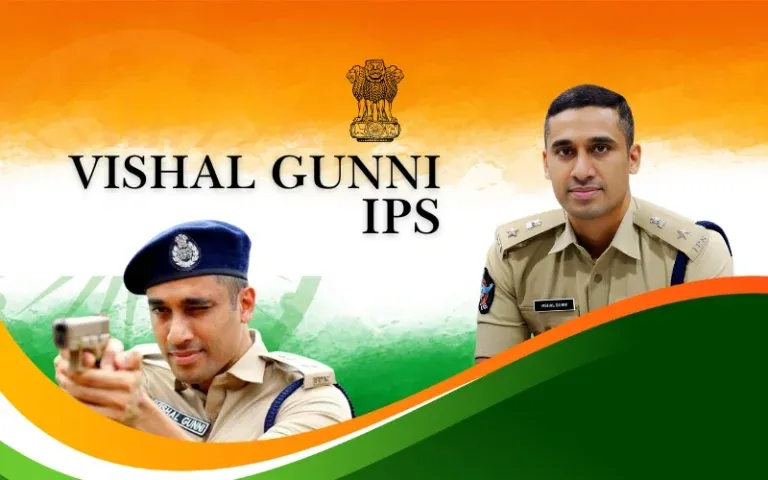

An IPS career requires a practical mix of leadership, discipline, communication, and administrative awareness. officersdetails.com helps readers explore IPS officers, career responsibilities, professional development, and public administration topics. The role can change considerably depending on the officer’s posting, department, rank, and current responsibilities. Some assignments may involve district administration, while others can focus on training, security, investigation, traffic management, intelligence, or departmental planning. This variety makes adaptability especially useful throughout an officer’s career. A method that works well in one assignment may require changes when the working environment becomes different. Officers also need to understand the people they supervise because police organizations depend heavily on coordinated teamwork. Administrative work can include reports, meetings, personnel matters, resource planning, and communication with other departments. These responsibilities may appear routine, but poor organization can create larger difficulties later. Technology has also become increasingly relevant to modern police administration, requiring officers to understand digital systems and information management. Legal awareness remains another essential area because professional decisions need to stay within applicable laws and established procedures. Public interaction adds another layer because officers regularly communicate with people who have different concerns and expectations. Professional development therefore continues long after initial training. Officers can become more effective by combining experience with reflection, learning, careful planning, and responsible leadership.
Understanding Leadership Responsibilities
Leadership in police service involves more than assigning duties to subordinate personnel. Officers need to understand team capabilities, available resources, organizational priorities, and the practical conditions surrounding an assignment. Clear expectations can help personnel understand what needs to be completed and when progress should be reported. At the same time, leaders should listen when team members identify difficulties that may affect their work. Field personnel can sometimes notice practical problems earlier than senior officers because they work directly with changing circumstances. Listening does not require accepting every suggestion, but it allows leaders to make decisions using better information. Delegation becomes important when officers manage larger teams because one person cannot personally handle every responsibility. Duties should be assigned according to skills, experience, workload, and organizational requirements. Follow-up remains necessary after delegation because senior officers still carry responsibility for overall outcomes. Professional feedback should focus on actual performance rather than unnecessary personal criticism. When mistakes occur, leaders can examine what caused the problem and identify reasonable corrective measures. Good leadership also includes recognizing effective work when personnel complete difficult responsibilities successfully. Consistency matters because teams can become uncertain when expectations change without clear explanation. Officers influence workplace culture through their own behavior as well. Respectful communication, preparation, punctuality, and accountability can create useful standards for others to follow. Strong leadership develops through experience, reflection, communication, and continued attention to organizational needs.
Managing Daily Police Operations
Daily police operations involve many different responsibilities that need to function together without unnecessary confusion. Officers may monitor ongoing matters, supervise personnel, review reports, attend meetings, and respond to changing developments. Some tasks can be planned in advance, while others may appear unexpectedly and require immediate attention. Prioritization becomes important because not every responsibility has the same level of urgency. Officers can maintain suitable systems for tracking important tasks and reviewing pending matters regularly. This can reduce the possibility of an important responsibility being forgotten during a busy period. Delegation can also help distribute work among personnel with appropriate skills and experience. Officers should explain responsibilities clearly before expecting personnel to complete them independently. Communication channels should remain understood so teams know where important updates need to be reported. Meetings can become more productive when participants understand their purpose before arriving. Decisions made during meetings should also be communicated clearly to personnel responsible for carrying them forward. Written records need accuracy because later officers may rely on them when reviewing previous actions. Digital systems can support this work when information is entered carefully and maintained according to established procedures. Officers should still review important information rather than assuming every digital record is automatically correct. Good operational management does not mean controlling every small activity personally. It means creating systems that allow personnel to understand their responsibilities while ensuring important matters receive suitable attention. Effective daily management provides a stronger foundation for wider police responsibilities.
Developing Better Communication Skills
Communication remains central to police administration because officers work with many different groups during their careers. They may communicate with subordinate personnel, senior officials, government departments, community representatives, and other public-service organizations. Each situation may require a different amount of detail and a different communication approach. Routine instructions can include more explanation, while urgent situations may require short and direct messages. Clarity matters in both circumstances because unclear instructions can create avoidable confusion. Listening is equally important because information from field personnel can influence decisions made by senior officers. Citizens may also provide useful details when explaining concerns or seeking assistance from police organizations. Officers should listen carefully before deciding which procedure or response may be appropriate. Written communication creates another responsibility because official reports can become important records for future review. Reports should remain focused on relevant information and should avoid unnecessary language that makes important details difficult to identify. Meetings also benefit from clear objectives because participants need to understand what is being discussed and what action may follow. During complicated situations, reporting relationships should remain clear so different teams do not receive conflicting instructions. Officers can review communication after important assignments and identify areas where information could have moved more effectively. Strong communication does not require constant messages from every participant. It requires relevant information reaching the appropriate people in a timely and understandable manner. Communication skills therefore support leadership, administration, teamwork, public interaction, and operational coordination at the same time.
Maintaining Legal Knowledge
Legal knowledge provides an important foundation for responsible police work because professional authority operates within established laws and procedures. Officers need to understand the responsibilities connected with their positions along with the limitations that apply to those responsibilities. Legal requirements can change, which means officers should continue learning throughout their careers. Different assignments may also create different legal considerations that require additional professional awareness. Officers entering specialized roles may need to understand procedures that were less relevant during earlier postings. Complicated questions can sometimes require appropriate advice from legal professionals or other qualified specialists. Seeking suitable guidance should not be viewed negatively because responsible decision-making includes recognizing when additional expertise is necessary. Documentation can also support accountability when significant decisions or actions later require examination. Officers should maintain records according to applicable procedures without creating unnecessary paperwork. Professional discretion does not mean acting without considering legal requirements or departmental standards. Officers should also avoid assuming that a previous situation provides the correct solution for every future incident. Circumstances can differ in important ways, even when two situations initially appear similar. Training can help officers understand updated requirements and explain relevant procedures to the personnel they supervise. Teams may follow procedures more consistently when they understand the purpose behind those requirements. Legal awareness can protect public interests while also helping officers avoid preventable procedural mistakes. Continued legal learning should therefore remain part of professional development rather than being treated as a one-time training subject.
Improving Resource Management
Police departments depend on many resources, including personnel, vehicles, communication equipment, technology, facilities, training, and financial support. Officers involved in administration may need to determine whether available resources match actual organizational requirements. Simply increasing the quantity of equipment does not always solve a problem if existing resources are poorly maintained or distributed. Staffing decisions should consider workload, relevant skills, experience, availability, and the responsibilities of different units. Equipment maintenance is also important because unavailable resources cannot provide reliable support when teams need them. Inventory records can help officers understand what resources are available and where shortages genuinely exist. Training requirements should be considered whenever personnel receive new equipment or take on unfamiliar responsibilities. Large public events may require temporary changes in staffing, transport, communication, or other resources. Officers need to support those requirements while protecting essential routine services elsewhere. Financial planning should connect spending decisions with practical organizational priorities and long-term requirements. Coordination between departments can sometimes allow existing resources to serve multiple needs more efficiently. Officers can review resource requirements periodically because operational demands may change over time. Older systems may also need replacement or modification when they no longer meet current expectations. Resource planning should therefore consider usefulness rather than focusing only on quantity. Good management ensures that available resources reach the teams that need them most. It can also reduce avoidable pressure by identifying shortages before they become serious operational concerns.
Preparing Teams For Emergencies
Emergency preparation helps police teams respond more effectively when normal routines are disrupted by unexpected circumstances. Officers cannot predict every possible incident, but they can establish responsibilities, communication arrangements, resource plans, and coordination systems beforehand. Clear roles can reduce confusion when several teams become involved during the same situation. Some emergencies may require cooperation with medical services, local administration, transport authorities, disaster-management organizations, or other public agencies. Coordination becomes easier when responsibilities are understood before a major incident occurs. Communication channels should also remain reliable enough for important updates to reach the appropriate personnel. Officers may need to change initial plans when new information alters the situation. Flexibility becomes necessary because actual conditions may differ from assumptions made during earlier planning. Public communication requires additional care because incomplete information can create unnecessary confusion during difficult circumstances. Officials should distinguish confirmed information from preliminary reports when communicating significant developments. Training exercises can provide useful opportunities to practice procedures before personnel face similar conditions during actual emergencies. After a major incident, officers can review the response and identify areas where preparation could improve. Reviews may consider communication, timing, resource allocation, coordination, leadership, and decision-making. These observations can inform later training and planning activities. Emergency preparation cannot remove uncertainty completely, but it can reduce confusion caused by avoidable gaps in readiness. Calm leadership can also help personnel remain focused when information changes quickly. Strong emergency readiness combines preparation, communication, coordination, flexibility, and regular review.
Building Positive Team Culture
Team culture can influence how effectively personnel communicate, cooperate, and manage professional responsibilities. Officers supervising teams should create expectations around respectful communication, accountability, discipline, and appropriate workplace conduct. Different personnel may have different levels of experience, so supervision should reflect actual needs rather than applying identical support to everyone. Newer personnel may need additional guidance while experienced staff may be able to manage responsibilities more independently. Officers can encourage team members to communicate practical difficulties before those problems become larger organizational concerns. A workplace where people can raise reasonable concerns may identify problems earlier than a workplace where communication is discouraged. Mistakes should receive appropriate attention, but every mistake does not need to become a personal confrontation. Leaders can examine what happened and identify whether training, communication, supervision, or planning contributed to the issue. This creates a more useful approach to accountability because it focuses on improving future performance. Recognition can also influence team morale when personnel know that effective work is noticed. Fair treatment matters because inconsistent decisions can reduce confidence among team members. Officers should apply expectations consistently while recognizing that different situations may require different responses. Team culture also develops through everyday examples provided by senior personnel. If leaders communicate respectfully and manage pressure calmly, subordinate teams can observe practical examples of professional behavior. Strong teams do not require everyone to think or work identically. They require people to understand their responsibilities and contribute toward shared organizational objectives. A positive team culture supports discipline while making cooperation easier across different roles.
Using Digital Tools Responsibly
Digital systems now support many police responsibilities, including communication, records, information management, analysis, and administration. These systems can make information easier to organize when personnel use them correctly and maintain accurate records. Technology does not automatically guarantee that every digital entry is complete or correct. Information can contain errors, outdated details, or missing context that requires further examination by trained personnel. Officers therefore need enough technical understanding to recognize both the benefits and limitations of digital systems. Training becomes especially important when new software, equipment, or information-management procedures are introduced. Personnel should understand authorized access, security requirements, appropriate usage, and procedures for handling restricted information. Police organizations can manage information that requires careful protection, making responsible digital behavior important across all levels. Officers should follow established procedures when accessing, storing, reviewing, or communicating sensitive information. Accurate digital records can also improve continuity when personnel transfer between different assignments. An incoming officer can understand pending matters more easily when previous information has been maintained properly. Data quality deserves attention because incorrect information can influence later administrative decisions. Officers can encourage personnel to check important entries and correct mistakes through approved procedures. Technology should support professional judgment rather than replace it. Senior officers do not need to become specialists in every technical field, but they should understand enough to ask useful questions. When specialized technical issues arise, appropriate expert assistance can improve decision quality. Responsible digital administration combines training, security awareness, accurate records, proper access, and human oversight.
Handling Public Interaction
Public interaction forms an important part of police service because citizens may approach officers for many different reasons. People may report concerns, request assistance, ask questions, or seek information about official procedures. Officers should listen carefully before deciding what response may be appropriate for a particular situation. Clear explanations can help citizens understand which process applies and what steps may follow. Some concerns may fall under another government department or specialized authority rather than direct police responsibility. Officers can explain these boundaries respectfully while providing useful information whenever appropriate. Community interaction may also reveal recurring issues that are not immediately visible through formal records. Residents can identify concerns involving traffic, public safety, communication, or repeated local problems. Officers can consider this information while remaining within their professional authority and established procedures. Difficult conversations require additional patience when citizens disagree with decisions or expected outcomes. Professional communication can keep attention on procedures rather than allowing disagreements to become personal conflicts. Digital platforms have also changed how quickly information can spread between public institutions and communities. Police organizations therefore need to communicate carefully through suitable official channels. Sensitive operational information may require restricted handling even when public interest is significant. Officers need to balance useful communication with confidentiality, legal requirements, and operational considerations. Public confidence usually develops through repeated interactions rather than a single communication campaign. Respectful behavior during ordinary interactions can therefore influence how citizens understand police institutions. Strong public communication requires clarity, patience, consistency, professional boundaries, and careful listening.
Growing Through Different Postings
Different postings can provide IPS officers with varied opportunities to develop professional knowledge and practical judgment. District assignments may involve public interaction, personnel management, local coordination, and administrative responsibilities. Specialized assignments can introduce officers to technical systems, different operational requirements, or specialized procedures. Training roles may require officers to explain concepts clearly while understanding how personnel develop practical skills. Administrative assignments can provide deeper exposure to planning, resources, documentation, and organizational systems. Moving between different responsibilities can therefore broaden an officer’s understanding of how various parts of police administration function. Officers should observe existing systems before making major changes in an unfamiliar assignment. Experienced personnel can provide practical information about recurring challenges and established procedures. Reviewing pending matters can also help an officer understand priorities after joining a new position. Every posting can provide useful lessons when officers remain willing to ask questions and examine outcomes carefully. A method that worked in one environment may require adjustment in another because resources and expectations can differ. Adaptability becomes increasingly useful when officers move between teams with different responsibilities. Officers can also identify areas where additional training would strengthen their effectiveness. Professional development becomes stronger when transfers are treated as opportunities to expand knowledge rather than simply changes in location. Experience across several assignments can gradually improve administrative awareness and decision-making ability. It can also help officers understand how decisions at one organizational level affect personnel elsewhere. Career growth becomes more meaningful when every posting contributes new skills, knowledge, and professional judgment.
Maintaining Personal Work Discipline
Personal work discipline can influence how effectively officers manage demanding responsibilities throughout their careers. Officers may need to handle reports, meetings, personnel matters, operational decisions, public communication, and unexpected developments within the same period. Organization becomes useful when several responsibilities compete for attention. Officers can maintain appropriate systems for tracking pending matters and reviewing priorities regularly. This can reduce the chance that important tasks remain forgotten during periods of high workload. Preparing for meetings beforehand can also improve discussions because officers can identify important questions before the meeting begins. Delegation can protect time for responsibilities that require direct senior-level attention. However, delegated duties still require appropriate monitoring because accountability remains part of leadership. Officers should also review their own decisions after demanding assignments to identify habits that helped or created difficulties. Reflection becomes useful when it produces a practical change for future work. Mistakes can provide professional learning when officers examine the reasons behind them instead of simply moving forward without review. Time management should remain flexible because police responsibilities can change unexpectedly. A rigid schedule may not always be realistic, but basic organization can still provide structure when priorities shift. Professional discipline also includes continued learning because legal requirements, technology, procedures, and organizational expectations can change. Officers can maintain their effectiveness by remaining prepared to update their knowledge. Good personal discipline does not mean avoiding all interruptions or unexpected duties. It means maintaining enough organization to respond without losing track of important responsibilities. These habits can support individual performance while also improving reliability across the wider team.
Supporting Continuous Professional Growth
Professional growth should continue throughout an IPS career because responsibilities and working environments can change considerably over time. Initial training provides an important foundation, but officers may require additional preparation after entering new assignments. Formal courses can develop knowledge in leadership, administration, technology, communication, security, and other specialized areas. Practical experience provides another source of learning because real circumstances often contain details that cannot be fully reproduced during classroom instruction. Officers can review previous assignments to understand which decisions produced useful results and which created unexpected difficulties. This reflection can help convert experience into practical knowledge for future responsibilities. Experienced colleagues can also provide valuable guidance when officers encounter unfamiliar professional situations. Continuous learning does not always require formal courses because reading, discussion, observation, and structured review can also improve understanding. However, formal instruction remains valuable when new legal, technical, or administrative requirements need systematic explanation. Officers should recognize when a responsibility exceeds their immediate expertise and seek appropriate specialist assistance. Senior officers can encourage professional growth by supporting relevant training opportunities for the teams they supervise. A workplace that values learning may become more adaptable when responsibilities or systems change. Recurring mistakes can sometimes indicate a training need rather than simply a disciplinary issue. Professional development should focus on practical improvement rather than collecting qualifications without applying new knowledge. Career growth becomes stronger when officers connect learning directly with responsibilities they actually perform. The willingness to continue learning remains useful even after years of experience and increasing professional seniority.
Preparing For IPS Career Goals
Candidates interested in IPS careers should understand both examination preparation and the responsibilities that follow selection. Current eligibility conditions, examination stages, and official requirements should always be checked through reliable government information because details may change. Candidates generally benefit from strong reading ability, analytical thinking, writing practice, broad awareness, and consistent preparation habits. Previous examination papers can help candidates understand question patterns and identify areas requiring additional work. Regular writing practice can improve the ability to organize information clearly within limited time. Candidates can also develop awareness of governance, administration, law, society, public institutions, and important national issues. Physical and medical requirements should be checked against current official standards rather than relying on outdated information found online. Preparation should remain sustainable because broad examinations require steady effort over an extended period. A practical routine can include reading, revision, practice questions, writing exercises, and regular self-assessment. Candidates should also understand that selection represents only the beginning of professional development. IPS officers can experience demanding schedules, transfers, public expectations, administrative pressure, and complicated decision-making responsibilities. Understanding these realities can help candidates form realistic expectations before choosing this career path. Status or recognition alone does not fully represent the daily demands of public service. Candidates should consider whether leadership, discipline, adaptability, communication, and public responsibility genuinely interest them. Career preparation becomes stronger when examination study is combined with awareness of the profession itself. Building communication and organizational skills can provide value during both preparation and later service. A thoughtful approach combines accurate information, consistent study, realistic expectations, and a willingness to continue learning after selection.
Conclusion
An IPS career brings together leadership, administration, communication, legal awareness, resource planning, technology, emergency readiness, public interaction, and continuous professional development. Officers can experience very different responsibilities across their careers because postings, departments, ranks, teams, and organizational priorities may change over time. Each assignment can become a learning opportunity when officers remain adaptable and willing to examine their decisions carefully. Strong leadership depends on clear expectations, appropriate delegation, careful listening, professional feedback, and consistent accountability. Administrative discipline supports wider police work by keeping reports, personnel matters, resources, meetings, and pending responsibilities organized. Decision-making requires practical judgment because officers may sometimes need to respond while information remains incomplete or continues changing. Legal knowledge helps officers understand the boundaries surrounding professional authority and the procedures connected with their duties. Technology can improve information management, communication, records, and specialized work, but digital systems still require trained personnel and human oversight. Resource planning can strengthen organizational readiness when staffing, equipment, facilities, training, and communication systems are managed according to genuine needs. Emergency preparation provides useful structure while allowing officers to adapt when actual circumstances differ from earlier expectations. Public interaction also matters because respectful communication can improve understanding and support constructive cooperation. Continuous professional learning allows officers to remain prepared as laws, technology, responsibilities, and public expectations develop. Candidates preparing for IPS service should use current official information while developing realistic expectations about professional discipline and public responsibility. Understanding the wider nature of IPS work can help aspiring candidates prepare more thoughtfully and develop useful skills before entering service. Readers interested in IPS officers, career development, leadership, administration, and professional responsibilities can continue exploring relevant information through officersdetails.com. A practical understanding of the profession can help future candidates approach IPS preparation with greater awareness, stronger discipline, and a clearer sense of the responsibilities involved.
Read also :-