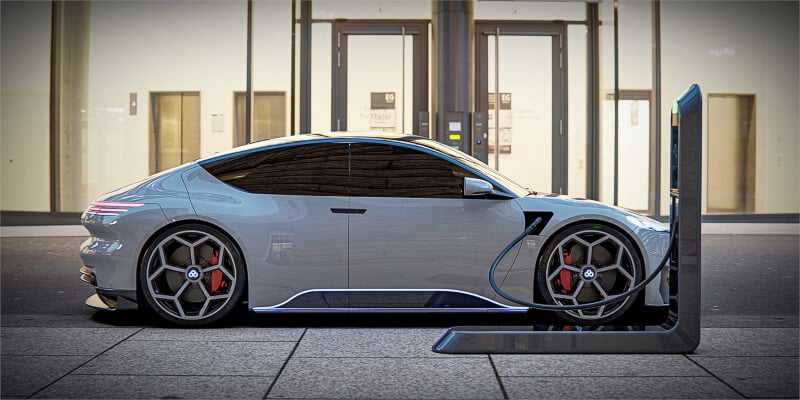

electric vehicles trends have moved from niche discussions in green energy forums to becoming headline news in mainstream media, policy debates, and everyday conversations. When I bought my first electric car five years ago, most people saw it as an experimental purchase—something for early adopters with a green conscience. In 2026, the story has completely flipped: today, electric vehicles (EVs) represent a major shift in how we think about personal and commercial transportation.
This sweeping transformation is not just about replacing fuel with batteries. The rise of electric vehicles trends tells a powerful story of innovation, consumer demand, regulatory influence, sustainability goals, and new lifestyle choices. From ultra-fast charging stations to smart grids that talk to your EV, this evolution is reshaping cities, economies, and even our relationship with energy itself.
In this article, we’ll explore major developments in the world of electric vehicles, why these trends matter, and where the road might lead next.
The Rise of Electric Vehicles: More Than a Passing Fad
For much of automotive history, internal combustion engines reigned unchallenged. But in the last decade, multiple forces converged to accelerate the adoption of electric vehicles. Urban air quality concerns, climate change awareness, technological breakthroughs, and falling battery prices have opened the door for EVs to become more than just a futuristic idea.
My friend Rina, a taxi driver in New Delhi, migrated her business to an electric fleet last year. She told me how the savings from lower fuel and maintenance costs steadily increased her profits—and her customers appreciated the quieter, smoother rides. Stories like Rina’s highlight how electric vehicles trends are not just environmental, but deeply economical and personal.
How Government Policy Is Fueling Electric Vehicle Adoption
Across the world, governments are setting ambitious targets to reduce carbon emissions. Many nations are offering incentives like tax rebates, subsidized charging infrastructure, and reduced registration fees to encourage consumers to go electric.
For example, several countries announced timelines to phase out sales of petrol and diesel vehicles entirely by 2035. This kind of regulatory pressure speeds up the adoption process and pushes automakers to innovate faster than ever before. In the U.S. and Europe, EV incentives have encouraged a wider range of buyers to consider electric options, not just early tech enthusiasts or environmental advocates.
This trend makes it clear that electric vehicles trends are not random—they are grounded in serious government strategy aimed at cleaner air, reduced dependence on fossil fuels, and stronger climate resilience.
Battery Technology: The Heart of Electric Vehicle Progress
At the core of all these developments lies battery innovation. Lithium-ion batteries dominated for years, but new breakthroughs in solid-state technology, enhanced energy density, and improved thermal stability promise even longer ranges and faster charging. These advances directly address two of the biggest hesitations car buyers have had about EVs: range anxiety and charging convenience.
Global companies and startups alike are racing to create batteries that cost less, last longer, and charge more quickly. In fact, research labs now report battery lifespans that can surpass 300,000 miles—more than enough for the typical lifespan of a car. As this progress continues, it will redefine what consumers expect from mobility.
I remember the first time I charged my car to 80% in under 30 minutes at a highway station. It was a revelation that instantly dissipated my fear of longer journeys. This real-world convenience is a key part of ongoing electric vehicles trends.
Charging Infrastructure: Powering Up the Future
One of the biggest challenges in early EV adoption was access to reliable charging stations. No one wants to drive in circles looking for a port that might be broken or taken. Recognizing this barrier, public and private sectors have poured billions into expanding charging networks across urban centers, highways, and even rural areas.
Today, we see more fast-charging hubs than ever before. These stations feature multiple connectors, real-time availability apps, and partnerships with local businesses to create charging-friendly communities. For EV owners, this means less time waiting and more time moving.
Cities are also integrating chargers into public spaces like parks, shopping centers, and workplaces. Architects are now designing buildings with built-in charging bays—turning what was once seen as an add-on into a standard feature.
As charging becomes as ubiquitous as gas stations once were, electric vehicles trends continue to reflect a broader shift toward seamless, accessible power solutions.
Global Market Expansion: EVs Go Mainstream
Five years ago, electric vehicles were majorly a trend in developed markets. Today, they are spreading quickly into emerging economies. China leads the global EV market not only in production but also in consumption. Its massive investments in manufacturing and infrastructure have made EVs accessible to a broader population.
Meanwhile, countries in Europe, North America, and even parts of South America and Africa are rapidly embracing electrification. Auto giants are launching EV models tailored to different price segments, making them more viable for average consumers rather than luxury buyers only.
Growth like this means that electric vehicles trends are not limited by geography anymore. They are global, reflecting a shared understanding that the future of mobility must be cleaner, smarter, and more efficient.
Consumer Behavior: Shifting Attitudes Toward Ownership
Consumer expectations have evolved dramatically. Today’s car buyers don’t just want a vehicle—they want a connected, personalized experience. Modern electric vehicles come with features like over-the-air updates, integrated apps, and advanced driver-assistance systems (ADAS). These technologies blur the lines between automotive and digital consumer electronics.
Millennials and Gen Z buyers, in particular, prioritize sustainability and tech-savvy design. They care about how their vehicles impact the environment and expect transparency in manufacturing and supply chains. This shift in preferences is a major component of current electric vehicles trends.
Owning an EV is now seen not just as a practical choice, but as a statement—one that aligns with values around efficiency, responsibility, and innovation.
Electric Vehicles in Commercial Fleets: A Business Transformation
Major corporations are also embracing electric vehicles trends. Delivery services, logistics companies, and ride-sharing platforms are switching to electric fleets to reduce operating costs and carbon footprints. This move is not just PR; it’s a strategic business decision.
For companies with heavy transportation needs, fuel costs can be a significant expense. EVs offer predictable energy expenses, lower maintenance costs, and improved efficiency. For customers, this often translates into lower prices and faster services.
UPS, DHL, and Amazon are among the companies pledging to electrify significant portions of their fleets in the coming decade. These transitions demonstrate that electric vehicles are not just for personal use—they are increasingly essential for modern commerce.
Innovative Business Models: Leasing, Subscriptions, and Shared Mobility
Electric vehicles are also inspiring new ownership models. Monthly subscriptions that include insurance and charging access are becoming popular, especially in urban areas where owning a car outright feels less practical.
With ride-sharing and car-sharing platforms booming, many consumers now prefer to pay for mobility as a service rather than commit to buying a vehicle. This trend dovetails with the rise of EVs, which are often well-suited for shared use due to lower running costs and simplified maintenance.
These evolving models are another layer in the tapestry of electric vehicles trends, reflecting changing values around convenience, financial flexibility, and urban living.
Sustainability Beyond Tailpipes: Entire Lifecycle Impact
When discussing electric vehicles trends, it’s important to consider sustainability beyond tailpipe emissions. EV manufacturing involves materials like lithium, cobalt, and nickel—raising questions about mining impacts and supply chain ethics. Companies and governments are responding by investing in recycling solutions, ethical sourcing protocols, and alternative materials.
Recycling EV batteries is becoming a major industry in itself. Many manufacturers now design vehicles with battery reuse in mind, turning old EV batteries into energy storage solutions for homes and businesses. This creates a circular economy that enhances the sustainability story of electric vehicles.
Consumers today are more informed than ever. They want assurance that a purchase aligns with broader environmental goals—not just zero emissions on the road. Meeting these expectations is an evolving part of electric vehicles trends that caters to conscious consumers.
Integration with Renewable Energy: Driving Off-Peak Power Use
Another fascinating evolution within electric vehicles trends is the integration of EVs with renewable energy systems. Imagine charging your car with solar power generated at your home or having your car feed energy back into the grid during peak demand. These concepts are no longer science fiction.
Smart grid solutions are enabling bi-directional energy flow, meaning EVs become part of the energy ecosystem rather than simply energy consumers. This helps stabilize grids, encourages off-peak charging, and supports wider adoption of renewables.
In regions with high solar or wind capacity, EV owners can schedule charging based on when clean energy is available. This reduces reliance on fossil fuels and increases overall system efficiency.
Such technological interplay shows how electric vehicles trends are shaping not just cars, but entire energy networks.
Autonomous Driving and EVs: A Match for the Future
Autonomous driving and electric vehicles share a synergistic future. EVs are often the platform for self-driving technology due to their simplified mechanical systems and advanced onboard computing capabilities.
While fully autonomous vehicles are still being perfected and regulated, many modern EVs already include Level 2 and Level 3 automation features—adaptive cruise control, lane-keeping, automatic parking, and more. This convergence suggests a future where transportation is not just cleaner, but safer and smarter.
Imagine fleets of shared autonomous EVs whisking people around cities, following optimized routes, and communicating with smart infrastructure. This was a dream a decade ago—but today, it’s part of the conversation around next-generation electric vehicles trends.
Public Perception and Cultural Impact
Electric vehicles are no longer a fringe topic. They have become part of pop culture, featured in movies, TV shows, and lifestyle media. This cultural shift influences people’s attitudes toward driving and energy consumption.
When celebrities, influencers, and everyday people share their EV experiences, it normalizes the technology and makes it accessible. More importantly, it frames electric vehicles as aspirational rather than niche.
Stories from EV owners often highlight a kind of freedom many drivers didn’t expect—freedom from oil price fluctuations, freedom from frequent maintenance visits, and even freedom from noise pollution. These personal narratives feed into broader electric vehicles trends that shape consumer choices and market growth.
The Road Ahead: What’s Next in Electric Vehicles
Looking ahead, electric vehicles trends will continue to evolve at breakneck speed. Companies are exploring hydrogen fuel cells, wireless charging pads embedded in roads, and vehicle-to-everything (V2X) communication that enables cars to interact with cities, grids, and other vehicles.
The shift toward electrification is not a single event—it’s an ongoing transformation with many stages, challenges, and opportunities. What remains clear is that EVs are far from a passing fad. They represent a structural shift in how we think about energy, mobility, and modern life.
As battery costs fall, infrastructure grows, and consumer interest rises, electric vehicles are poised to reshape transportation—and with it, the world.
Read also: