


Modular furniture design has become one of the most practical and innovative approaches to modern interior living. As homes become more compact and lifestyles more dynamic, people are searching for furniture that adapts to their needs rather than forcing them to adapt to the furniture.
From apartments and studio flats to large family homes, flexible furniture solutions are reshaping how people organize their spaces. Instead of buying bulky pieces that remain fixed forever, homeowners can now rearrange, expand, or customize their furniture depending on their lifestyle.
In many modern homes, a living room might turn into a workspace during the day and a relaxing entertainment area in the evening. This constant shift in function is exactly why modular furniture has gained popularity. It offers flexibility, practicality, and modern aesthetics all at the same time.
Interior designers and homeowners alike are embracing this concept because it blends convenience with style. It allows people to create interiors that evolve with them, whether they move homes, expand their families, or simply want to refresh their living environment.
The Rise of Modular Furniture Design in Modern Interiors
Over the last decade, interior design trends have shifted dramatically toward minimalism and adaptability. Traditional furniture often takes up large amounts of space and limits layout options. Modular solutions, on the other hand, allow components to be rearranged or expanded as needed.
Imagine a sofa that can become a sectional, or a bookshelf that grows taller when you add new modules. This kind of flexibility makes furniture more future-proof and efficient.
Urban living has played a big role in the rise of modular furniture. Cities are becoming denser, and apartments are becoming smaller. People need furniture that can maximize space without sacrificing style.
Another factor behind its popularity is sustainability. Instead of discarding entire furniture pieces when needs change, users can simply add or replace individual modules. This reduces waste and encourages longer furniture life cycles.
Interior designers also appreciate modular systems because they provide endless creative possibilities. Different combinations of shapes, colors, and layouts allow homeowners to design spaces that reflect their personality.
How Modular Furniture Transforms Everyday Living
One of the most fascinating aspects of modular furniture is how seamlessly it fits into daily routines. Unlike traditional furniture, modular pieces are designed with flexibility in mind.
Consider a young professional living in a small apartment. During the day, their living room may function as a home office. At night, it becomes a relaxing lounge area. With modular furniture, this transition can happen quickly and effortlessly.
A modular sofa can separate into smaller seating units when guests arrive. A modular desk system can expand when work projects increase. Storage modules can be rearranged to accommodate new items without redesigning the entire room.
This adaptability makes homes feel more organized and less cluttered. Instead of filling a space with large permanent pieces, homeowners can build furniture layouts that evolve with their needs.
It also encourages creativity. Many people enjoy rearranging their furniture to refresh their interiors without spending money on new décor.
Key Elements Behind Successful Modular Furniture
Behind every great modular furniture system lies thoughtful design and engineering. Designers carefully consider usability, durability, and visual harmony when creating modular pieces.
The foundation of modular furniture is compatibility. Every module must connect smoothly with the others, ensuring stability while still allowing easy rearrangement.
Materials also play a critical role. High-quality wood, metal frames, and durable fabrics ensure that furniture modules can withstand repeated assembly and reconfiguration.
Another important element is simplicity. The best modular systems allow homeowners to change layouts without complicated tools or instructions.
Designers also pay close attention to proportions and balance. Each module must look attractive both individually and when combined with others.
This careful design process is what makes modular furniture both practical and visually appealing.
Why Modular Furniture Design is Ideal for Small Spaces
Small apartments often present major design challenges. Limited square footage means every piece of furniture must serve a purpose while maintaining a sense of openness.
This is where modular furniture design truly shines. Instead of overwhelming a small room with bulky furniture, modular systems provide flexible arrangements that maximize functionality.
A modular sofa can be arranged into different seating configurations depending on the occasion. Storage modules can be stacked vertically to save floor space. Modular wardrobes can grow as storage needs increase.
Many homeowners in urban environments appreciate the ability to customize furniture according to their layout. No two apartments are exactly the same, and modular furniture adapts to these differences.
The result is a home that feels spacious, organized, and tailored to its occupant.
A Real-Life Example of Modular Living
A young couple living in a compact city apartment recently shared their experience redesigning their home. Initially, their living room felt cramped and cluttered with traditional furniture.
They decided to switch to modular furniture pieces that allowed them to rearrange the room easily.
Their new modular sofa could separate into individual seats when friends visited. Storage units doubled as display shelves and room dividers. A modular desk system expanded when working from home.
The transformation was remarkable. The same room suddenly felt larger, more functional, and visually balanced.
Their story highlights how thoughtful furniture choices can dramatically improve everyday living.
The Role of Technology in Modern Furniture Design
Technology has significantly influenced how furniture is designed and manufactured today. Digital modeling tools allow designers to experiment with different modular combinations before production begins.
Advanced manufacturing techniques ensure precision and durability, making modular components easy to assemble and reconfigure.
Smart furniture features are also becoming more common. Some modular pieces now include integrated lighting, charging ports, or hidden storage compartments.
These innovations make modular furniture not only adaptable but also technologically aligned with modern lifestyles.
Designers continue to explore new materials and production methods that make furniture lighter, stronger, and more sustainable.
Sustainability and Long-Term Value
Sustainability has become an essential factor in modern design decisions. Many homeowners now consider the environmental impact of their furniture purchases.
Modular systems offer an eco-friendly alternative to traditional furniture. Because modules can be replaced individually, there is less need to discard entire pieces when something wears out or when design preferences change.
This approach extends the life cycle of furniture and reduces waste.
Manufacturers are also experimenting with sustainable materials such as recycled wood, eco-friendly fabrics, and low-impact finishes.
As sustainability becomes more important globally, modular furniture is expected to play an increasingly important role in responsible interior design.
Designing Stylish Interiors with Modular Furniture
Some people mistakenly believe modular furniture focuses only on function and lacks visual appeal. In reality, modern modular designs combine elegance with practicality.
Contemporary modular furniture often features sleek lines, neutral colors, and minimalist aesthetics. These design elements make it easy to blend modular pieces into various interior styles.
From Scandinavian-inspired spaces to modern industrial homes, modular furniture can complement almost any décor theme.
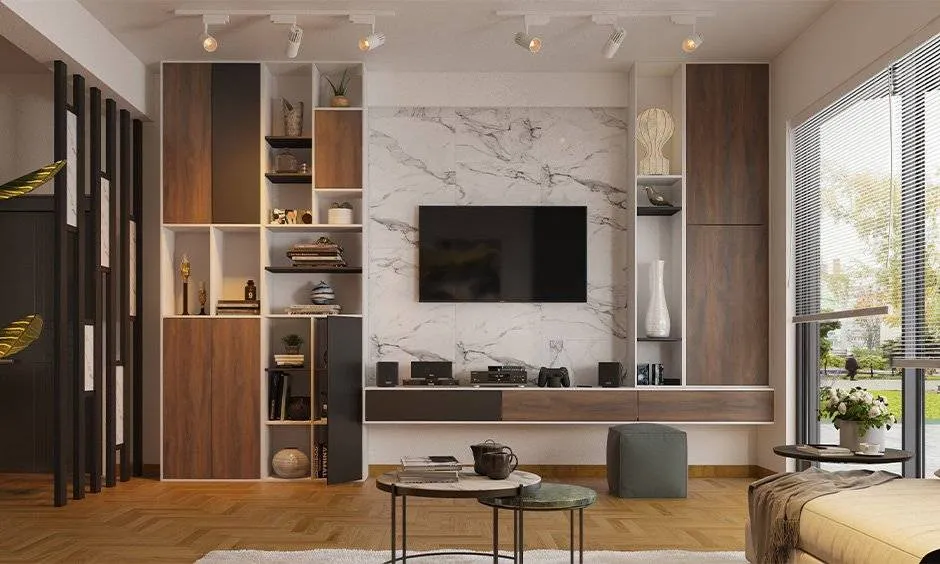
Interior designers frequently use modular shelving systems to create custom feature walls. Modular sofas help define seating areas while maintaining flexibility.
The result is a home that looks curated and sophisticated while remaining adaptable to change.
The Future of Modular Furniture Design
The demand for flexible living solutions continues to grow. As more people move to cities and embrace remote work, homes must accommodate multiple functions within limited space.
Modular furniture design will likely become even more advanced as designers experiment with new forms, materials, and technologies.
Future furniture systems may incorporate artificial intelligence to adjust layouts automatically or integrate with smart home systems.
Designers are also exploring modular systems that allow entire rooms to transform quickly, creating multifunctional living spaces that adapt throughout the day.
As lifestyles continue evolving, modular furniture will remain a key part of modern interior design.
Choosing the Right Modular Furniture for Your Home
Selecting the right modular furniture requires careful consideration. Every home has unique spatial needs and design preferences.
Start by evaluating how each room is used throughout the day. Think about flexibility and whether the furniture will need to serve multiple purposes.
Quality is another important factor. Well-built modular pieces will last longer and maintain their stability even after repeated rearrangement.
Design compatibility also matters. Choose modules that complement your existing décor while still offering versatility for future changes.
With thoughtful planning, modular furniture can become a long-term investment that enhances both comfort and functionality in the home.
How Modular Furniture Encourages Creative Living
Living with modular furniture often inspires homeowners to think more creatively about their spaces. Instead of viewing furniture as fixed and permanent, people begin to see it as adaptable tools for shaping their environment.
Rearranging modules can refresh the atmosphere of a room without purchasing new items. Seasonal décor changes become easier when furniture layouts can shift effortlessly.
Families also appreciate the flexibility. As children grow and household needs evolve, modular furniture can be adjusted accordingly.
This sense of adaptability creates interiors that feel dynamic and personalized rather than rigid and predictable.
In many ways, modular furniture reflects modern living itself—flexible, evolving, and full of possibilities.
Read also:-