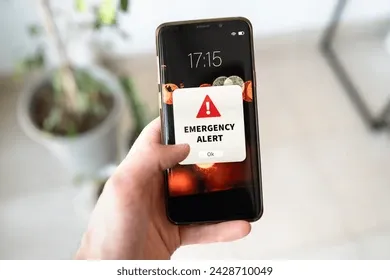

Smart Emergency Alerts are redefining the way communities and organizations respond to crises. By leveraging advanced technologies such as AI, IoT, and geolocation, these systems provide instant, targeted notifications that save lives and reduce property damage.
Imagine a coastal town preparing for a sudden hurricane. Traditional warning systems may rely on sirens or local media, but Smart Emergency Alerts instantly notify residents via SMS, push notifications, and voice calls. The result is faster, coordinated responses that give people critical extra minutes to act.
Why Smart Emergency Alerts Are Essential Today
Natural disasters, industrial accidents, and public health crises are becoming increasingly complex and unpredictable. Communities need solutions that deliver immediate, reliable information to prevent panic and coordinate resources efficiently.
Smart Emergency Alerts systems analyze real-time data from weather sensors, emergency services, and social media to detect threats faster than ever. For example, during wildfire outbreaks, AI-driven alerts can predict fire spread and warn residents in affected neighborhoods, even before visible smoke appears.
Real-Life Impact Stories
In 2022, a flood-prone region in Southeast Asia deployed Smart Emergency Alerts across mobile networks and social media platforms. Residents received tailored warnings about rising water levels, evacuation routes, and safety protocols. Local authorities reported a 40% faster evacuation rate and significantly reduced casualties compared to previous years.
Similarly, during a chemical plant leak in Europe, AI-powered alerts guided affected workers and nearby residents to safe zones immediately. The system identified individuals most at risk and delivered instructions directly to their smartphones, demonstrating how Smart Emergency Alerts can be life-saving in high-stakes scenarios.
How Technology Powers Smart Emergency Alerts
Modern Smart Emergency Alerts rely on an interconnected ecosystem of technologies. IoT devices monitor environmental conditions, AI predicts potential hazards, and cloud platforms ensure notifications reach the right people without delay.
Geofencing allows alerts to be location-specific. For instance, if a gas leak occurs in a city district, only residents in the affected area receive notifications, avoiding unnecessary panic elsewhere. Voice alerts, push notifications, and SMS ensure accessibility even for individuals with limited internet connectivity.
Multichannel Communication for Maximum Reach
A key strength of Smart Emergency Alerts is their multichannel communication approach. Alerts are delivered through SMS, email, apps, social media, and automated voice calls. This ensures that individuals with varying access to technology and different communication preferences receive critical information.
During a severe winter storm in North America, municipalities used Smart Emergency Alerts to notify drivers about road closures, school cancellations, and emergency shelters. The multichannel approach reached elderly residents, commuters, and travelers effectively, demonstrating the versatility of these systems.
Personalization and Targeting
One of the most powerful features of Smart Emergency Alerts is personalization. Alerts can be customized based on location, vulnerability, language, and communication preferences. This ensures that messages are relevant, actionable, and understandable to each recipient.
A healthcare provider implemented AI-driven alerts to notify patients with chronic conditions about nearby emergencies. For example, individuals requiring oxygen or mobility assistance received personalized instructions, improving safety outcomes during crises.
Security and Data Privacy
Handling sensitive data responsibly is critical for Smart Emergency Alerts systems. Encryption, secure APIs, and compliance with regulations like GDPR and HIPAA protect user information. Emergency services can provide rapid notifications without compromising privacy.
During a pandemic, public health authorities relied on encrypted alert systems to notify high-risk populations about exposure, vaccination drives, and quarantine guidelines. Users received trusted information while their personal data remained secure.
Integration with Emergency Services
Smart Emergency Alerts integrate seamlessly with emergency response teams, hospitals, and municipal authorities. Real-time data sharing allows responders to allocate resources efficiently, prioritize high-risk areas, and monitor ongoing incidents.
For example, during a city-wide blackout, smart alerts coordinated power restoration teams, informed residents of safe zones, and prevented traffic congestion by dynamically updating evacuation routes. This level of integration enhances both public safety and operational efficiency.
Predictive Analytics for Proactive Safety
AI-driven predictive analytics is at the heart of modern Smart Emergency Alerts. By analyzing historical data, weather patterns, social behavior, and sensor inputs, systems can anticipate threats before they escalate.
During wildfire season in California, predictive models alerted residents of neighborhoods at imminent risk based on wind patterns and vegetation data. Preemptive warnings allowed for faster evacuation, preventing injuries and minimizing property loss.
Accessibility for All Populations
Accessibility is a priority for Smart Emergency Alerts. Systems can support multiple languages, visual and auditory notifications, and compatibility with assistive devices. Ensuring inclusivity is critical during emergencies, particularly for the elderly, disabled, or non-native speakers.
A European city implemented multilingual alerts during a heatwave, notifying residents in five languages. Vulnerable populations received additional guidance via automated voice calls, preventing heat-related illnesses and hospitalizations.
Building Public Trust
Reliable, transparent, and timely communication builds public trust. Communities that trust alert systems are more likely to respond promptly during crises. Smart Emergency Alerts establish credibility by consistently providing accurate and actionable information.
In Japan, earthquake-prone regions rely on sophisticated smart alerts to notify residents of seismic activity. Residents trust these alerts because they consistently provide accurate, location-specific warnings, allowing people to act immediately without hesitation.
Continuous Improvement and Feedback
The best Smart Emergency Alerts systems incorporate feedback loops. Post-event analysis helps authorities refine messaging, response times, and coverage. AI can learn from past incidents, optimizing future alerts for accuracy and speed.
After a major flood in Europe, municipalities analyzed alert response data to identify areas with delayed response or misunderstood instructions. Improvements in messaging and delivery channels led to better preparedness for subsequent events.
Scalability for Global Emergencies
Smart Emergency Alerts systems are scalable, capable of handling local, regional, or even global crises. Cloud-based infrastructure ensures alerts reach millions of users simultaneously without delay.
During the COVID-19 pandemic, smart alert systems were used globally to notify citizens about lockdowns, testing sites, and vaccination schedules. Scalability and reliability were essential for managing widespread emergencies effectively.
The Role of Community Engagement
Community engagement enhances the effectiveness of Smart Emergency Alerts. Authorities can educate residents on how alerts work, encourage registration, and provide guidelines for emergency preparedness. Informed communities respond faster and more effectively.
A hurricane-prone region in the Caribbean launched a community campaign educating residents about smart alerts. Participation increased, and during the next hurricane, evacuation compliance improved by 50%, demonstrating the power of awareness alongside technology.
Future of Smart Emergency Alerts
The future promises further advancements. AI, AR, and IoT will enhance real-time hazard visualization, immersive instructions, and automated response coordination. Alerts may include augmented reality guidance for evacuation routes, live hazard maps, and proactive resource allocation.
Smart cities will increasingly rely on Smart Emergency Alerts integrated with traffic systems, utility networks, and healthcare services. This interconnected ecosystem ensures that every citizen is informed, safe, and empowered to act during emergencies.
Empowering Businesses and Organizations
Beyond public safety, businesses can leverage Smart Emergency Alerts to protect employees, assets, and operations. Industrial plants, logistics companies, and corporate offices can receive targeted alerts about hazards, safety protocols, or operational disruptions.
A multinational corporation implemented smart alerts for factory safety, notifying employees of chemical leaks or machinery hazards. Workers received precise instructions via SMS, voice, and app notifications, reducing accidents and enhancing operational continuity.
Read also :-
2048139635
18777671024
4314515641
18665854494
6046783134
6047595754