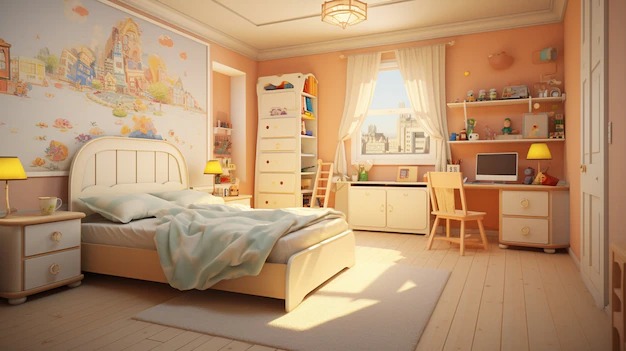

Modern homes feel very different from older constructions, not only in shape but also in how people actually experience them daily. Spaces are no longer just static rooms with fixed purposes, they shift and adjust based on habits, routines, and even mood changes throughout the day. People now expect comfort, flexibility, and practicality to exist together without making life complicated. That expectation has slowly changed how planners think about residential spaces overall. In this changing environment, architecture home design becomes less about rigid structure and more about understanding human behavior in everyday living.
There is also a growing awareness that homes are not isolated objects anymore. They interact with surroundings, climate, and even social patterns of neighborhoods in subtle ways. A well-planned space does not always look impressive at first glance, but it feels right after spending time inside it. That feeling is difficult to explain, yet very easy to notice when something is wrong. Many homeowners only realize design issues after moving in, which shows how planning and real use often differ quite a bit.
Another layer comes from lifestyle unpredictability. People work from home, relax in the same space, entertain guests in smaller areas, and sometimes do everything in one room. This overlap creates both convenience and confusion at the same time. The challenge is to reduce confusion without removing flexibility completely, which is not always easy to balance in real situations.
Space Flow Understanding Basics
Movement inside a home often decides how comfortable it feels, even more than furniture or decoration choices. If walking paths feel blocked or too tight, people naturally start avoiding certain areas without even noticing it consciously. Over time, that affects how the entire space is used, even if it was designed with good intentions originally.
Flow is not only about physical movement but also about visual movement. When someone enters a room, their eyes follow certain lines, corners, and open areas. If everything is cluttered visually, the mind feels slightly overwhelmed even if the room is technically large. That is why open space does not always mean better comfort.
Small design decisions like door placement, hallway width, or furniture angle can completely change how smooth movement feels. Sometimes a single misplaced object can interrupt the natural path of walking inside a room. These interruptions create a subtle sense of discomfort that builds over time rather than appearing immediately.
Lighting also plays a hidden role in movement flow. Brighter areas attract attention and guide movement naturally, while darker corners are often avoided subconsciously. Designers use this effect to shape how people interact with spaces without adding physical barriers everywhere.
Good spatial flow feels almost invisible when done correctly. People usually notice it only when something feels off, which makes it a quiet but powerful part of home planning.
Material Selection Logic Matters
Choosing materials for a home is not just about appearance, even though many decisions start that way. Each material behaves differently over time, reacting to heat, moisture, and usage patterns in ways that are not always predictable at first glance. This long-term behavior is often more important than initial visual appeal.
Hard materials like stone and concrete create a strong sense of permanence. They feel stable but sometimes emotionally distant if overused in living areas. Softer materials like wood bring warmth but require maintenance to stay in good condition. Neither option is perfect on its own, so combinations usually work better in real homes.
Texture variation also influences comfort in subtle ways. Smooth surfaces feel modern and clean but can sometimes feel too sterile if used everywhere. Rough textures add depth but may feel visually heavy if overdone. Balancing both creates a more natural living experience.
Another factor is environmental response. Some materials expand or contract with temperature changes, which affects long-term durability. Ignoring this leads to visible wear and structural issues over time, even in otherwise well-designed spaces.
Maintenance expectations should always match lifestyle reality. A high-maintenance surface might look appealing in design visuals, but becomes frustrating in daily use. That mismatch is one of the most common issues homeowners face after moving in.
Lighting Behavior And Comfort
Lighting affects how people emotionally experience spaces, even when they do not consciously think about it. Natural light changes throughout the day, shifting the mood of a room without any physical modification. Morning light often feels active and sharp, while evening light feels slower and softer.
Artificial lighting adds another layer of control. Different color temperatures can completely change how a room feels. Cooler tones are usually better for focus, while warmer tones support relaxation. Mixing both types is common, but balance is not always easy to maintain across different rooms.
Window positioning is extremely important because it decides how natural light enters and moves through a space. Poor placement can lead to excessive heat in some areas and dull lighting in others. Good placement makes interiors feel alive without needing constant artificial adjustment.
Shadows are often ignored but play a significant role in visual comfort. Strong shadows can create drama but may also make spaces feel heavier. Soft shadows usually feel more calming and consistent across different times of day.
Even wall color affects lighting behavior more than people expect. Light colors reflect more brightness, making rooms feel larger, while darker shades absorb light and create a more contained atmosphere. These subtle effects combine to shape overall comfort.
Spatial Flow And Balance
When looking at how people interact with their homes, balance between open and closed areas becomes very important. Too much openness creates noise and lack of privacy, while too many closed sections make spaces feel restricted and disconnected.
In many modern homes, architecture home design focuses heavily on flexible layouts that can adapt to changing needs. This includes movable partitions, multi-use rooms, and open zones that can shift function throughout the day. The goal is not to fix everything permanently but to allow controlled change over time.
Furniture placement also affects balance more than people realize. Large furniture pieces can define zones without physical walls, while smaller arrangements keep things flexible. However, poor placement can disrupt movement and create awkward unused corners.
Storage planning plays a silent but crucial role here. If storage is insufficient or poorly placed, clutter naturally spreads into living areas. That creates visual imbalance and reduces usable space without any structural problem.
Sound distribution is another hidden factor. Open layouts often increase noise spread, which can reduce comfort if not managed properly. Soft materials and partial barriers help control this without closing spaces completely.
Good balance in layout feels natural rather than forced. It allows different activities to happen simultaneously without conflict or confusion between zones.
Adaptive Living Concepts Growth
Modern homes are increasingly expected to adapt to changing lifestyles over time. This adaptability is not only about furniture or decoration but also about structural flexibility that supports different uses without major renovation.
People now often work, relax, and socialize within the same space. This overlap requires rooms to function in multiple roles without feeling chaotic. Flexible design approaches help manage this shift without making homes feel unstable or unfinished.
In this context, architecture home design becomes a practical tool for lifestyle management rather than just visual planning. It focuses on how people actually behave instead of how spaces look in drawings or models.
One common approach is creating modular spaces that can be rearranged easily. This allows homeowners to adjust layouts based on changing needs over time. However, flexibility must be balanced with stability so that spaces do not feel constantly temporary.
Technology also plays a role in adaptability. Smart lighting, automated temperature control, and adjustable furniture systems help create responsive environments. These systems reduce manual effort while improving daily comfort.
Still, over-reliance on technology can create complexity. Simple design solutions often remain more reliable in the long run. That is why blending traditional planning with modern tools tends to work best in real situations.
Environmental Integration Thinking
Homes today are increasingly influenced by environmental conditions rather than being designed in isolation. Climate, sunlight, airflow, and local surroundings all affect how a building performs daily.
Ventilation is one of the most important aspects. Proper airflow reduces dependence on mechanical cooling systems and improves indoor air quality naturally. Poor ventilation leads to discomfort regardless of how visually appealing a space may be.
Orientation of the building also matters. Positioning rooms according to sun direction helps regulate temperature and lighting naturally throughout the day. Ignoring this often leads to higher energy usage and inconsistent comfort levels.
Green spaces around homes also contribute to better living conditions. Even small gardens or plant areas can improve air quality and provide psychological comfort. These elements connect indoor and outdoor environments in subtle but meaningful ways.
Rainwater management and energy efficiency systems are becoming more common as well. These features reduce long-term costs while also supporting sustainable living practices. When integrated properly, they operate quietly without affecting daily routines.
Final Living Experience Layers
The final experience of a home is shaped by many small elements working together rather than one major feature. Comfort comes from consistency, predictability, and ease of use in everyday situations.
When everything functions smoothly, people rarely think about design at all. That invisibility is actually a sign of good planning, even if it is not immediately obvious. Problems usually become noticeable only when something disrupts that flow.
Different households have different expectations, so there is no single perfect solution. What works for one family may feel uncomfortable for another depending on routines and habits. This variability makes residential planning more complex than it appears from outside.
Over time, homes also evolve naturally. People rearrange furniture, adjust usage patterns, and modify spaces without major construction changes. This gradual evolution is part of how living environments stay relevant.
Conclusion
Home planning is not a fixed process, it changes with people, time, and lifestyle shifts that happen slowly but consistently. Every detail, from lighting to layout, contributes to overall comfort in ways that are often noticed only after living inside the space for a while. A good home feels natural, not forced, and supports daily life without unnecessary friction.
For more practical insights and modern design guidance, visit profixspace.com/ where ideas are explained in a simple and useful way. The goal is always to create spaces that feel balanced and realistic for everyday living. Thoughtful planning leads to better comfort over time, so taking careful decisions at the beginning always pays off later. Explore more strategies and improve your space with smarter, long-term thinking today.
Read also:-